
How Endurance Drinks Support Active Lifestyles
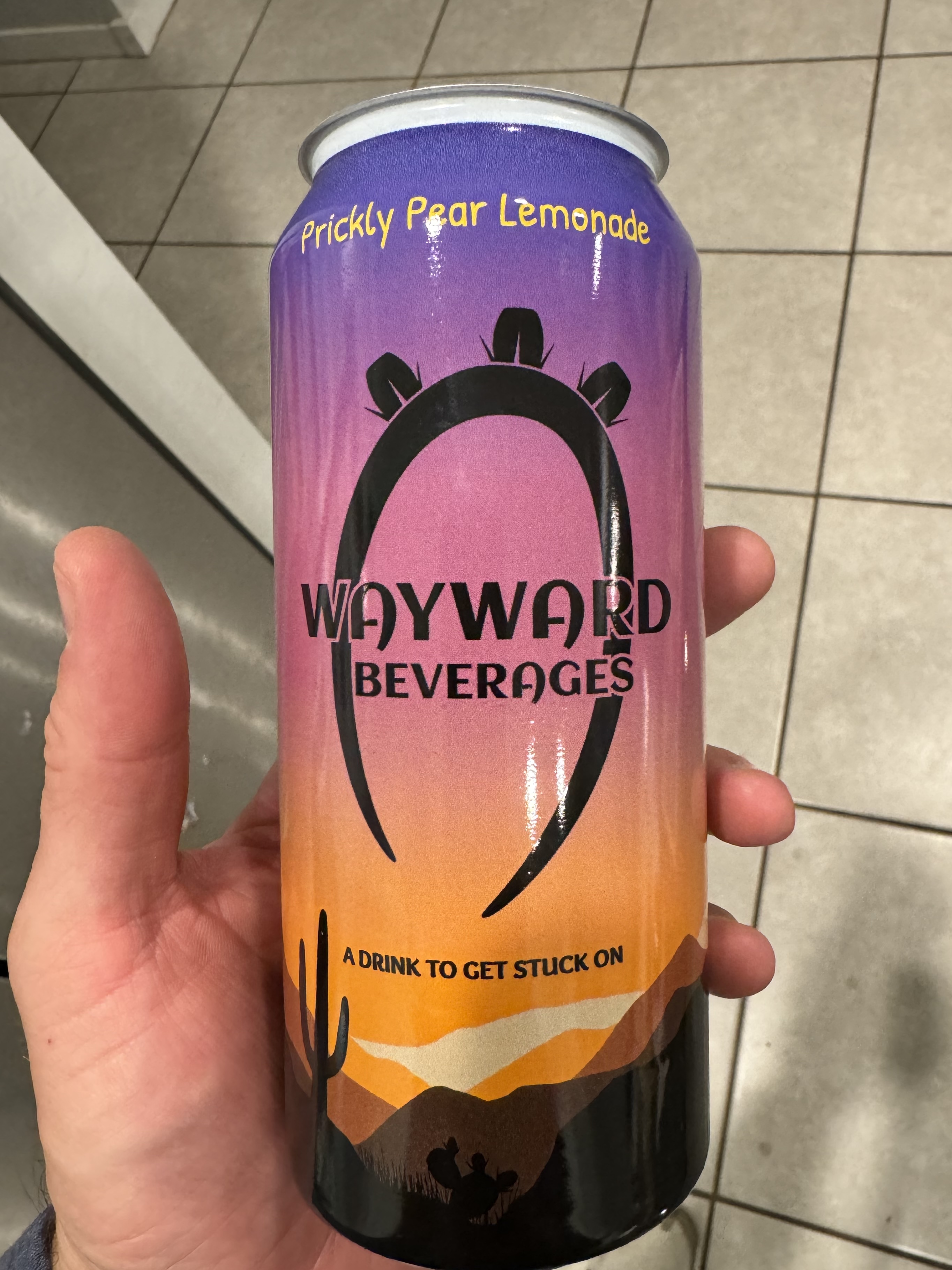
Maintaining an active lifestyle requires more than just motivation and effort. Proper nutrition and fluid intake play a crucial role in sustaining energy and performance. Endurance drinks have become a popular choice for athletes and fitness enthusiasts looking to optimize their workouts and recovery. These specialized beverages are designed to replenish fluids, electrolytes, and energy lost during prolonged physical activity. This article explores how endurance drinks support active lifestyles, their benefits, and practical tips for incorporating them into your routine.
What Are Endurance Drinks and Why Are They Important?
Endurance drinks are formulated beverages that provide a combination of water, carbohydrates, electrolytes, and sometimes vitamins or amino acids. They are specifically designed to help athletes and active individuals maintain energy levels and prevent dehydration during extended periods of exercise.
The primary components of endurance drinks include:
Carbohydrates: Usually in the form of sugars like glucose or fructose, carbohydrates provide a quick source of energy to muscles.
Electrolytes: Minerals such as sodium, potassium, calcium, and magnesium help regulate fluid balance and muscle function.
Water: The base of the drink, essential for replacing fluids lost through sweat.
These drinks are especially beneficial during activities lasting longer than 60 minutes, such as running, cycling, hiking, or team sports. By consuming endurance drinks, individuals can delay fatigue, improve performance, and reduce the risk of heat-related illnesses.

How Endurance Drinks Enhance Performance and Recovery
Endurance drinks support active lifestyles by addressing the body's needs during and after exercise. Here’s how they contribute to better performance and faster recovery:
1. Sustaining Energy Levels
During prolonged exercise, the body’s glycogen stores deplete, leading to fatigue. The carbohydrates in endurance drinks provide a readily available energy source, helping to maintain blood sugar levels and muscle function. This can improve endurance and delay the onset of tiredness.
2. Replenishing Electrolytes
Sweating causes the loss of electrolytes, which are vital for nerve signaling and muscle contractions. Sodium, in particular, helps retain water and prevent hyponatremia (low blood sodium). Endurance drinks replace these lost minerals, reducing muscle cramps and maintaining optimal muscle performance.
3. Supporting Fluid Balance
Proper fluid intake is essential to avoid dehydration, which can impair cognitive and physical performance. Endurance drinks contain water and electrolytes that promote better absorption and retention compared to plain water alone. This helps maintain blood volume and regulate body temperature.
4. Aiding Recovery
Post-exercise consumption of endurance drinks can accelerate recovery by replenishing glycogen stores and rehydrating the body. Some formulations include amino acids or antioxidants that support muscle repair and reduce inflammation.
Practical Tip:
For workouts under an hour, water is usually sufficient. For longer or more intense sessions, consider sipping on an endurance drink every 15-20 minutes to maintain energy and electrolyte balance.

Is 64 oz of water a day enough to stay hydrated?
The common recommendation of drinking 64 ounces (about 2 liters) of water daily is a general guideline but may not be sufficient for everyone, especially those with active lifestyles. Hydration needs vary based on factors such as body size, climate, exercise intensity, and individual sweat rates.
For active individuals, fluid loss through sweat can be significant. During intense or prolonged exercise, the body can lose more than 1 liter of fluid per hour. Simply drinking 64 oz of water daily may not replace these losses adequately.
Endurance drinks can help bridge this gap by providing not only fluids but also electrolytes and carbohydrates that plain water lacks. This combination supports better fluid absorption and retention, making it easier to maintain proper hydration status.
How to Monitor Hydration:
Check urine color: Pale yellow indicates good hydration; dark yellow suggests dehydration.
Weigh yourself before and after exercise: A weight loss of more than 2% indicates dehydration.
Listen to your body: Thirst, dry mouth, and fatigue are signs you need to drink more.
For personalized hydration strategies, consider consulting a sports nutritionist or healthcare professional.
Choosing the Right Endurance Drink for Your Needs
Not all endurance drinks are created equal. Selecting the right product depends on your activity type, duration, and personal preferences. Here are some factors to consider:
1. Carbohydrate Content
For moderate exercise (1-2 hours), drinks with 4-6% carbohydrate concentration are ideal.
For longer or more intense sessions, 6-8% carbohydrate concentration can provide sustained energy.
2. Electrolyte Balance
Sodium content should be sufficient to replace sweat losses, typically 300-700 mg per liter.
Potassium and magnesium are also important but usually present in smaller amounts.
3. Flavor and Palatability
Choose flavors you enjoy to encourage regular consumption.
Avoid overly sweet or artificial-tasting drinks that may cause stomach discomfort.
4. Additional Ingredients
Some drinks include caffeine for an energy boost.
Others contain amino acids or antioxidants for recovery support.
5. Dietary Restrictions
Check for allergens or ingredients that may not fit your diet (e.g., gluten, dairy).
Consider natural or organic options if preferred.
Practical Tip:
Experiment with different brands and formulations during training to find what works best before using them in competition or long workouts.
Incorporating Endurance Drinks into Your Active Lifestyle
To maximize the benefits of endurance drinks, it’s important to use them strategically. Here are some actionable recommendations:
Pre-Exercise: Drink 12-16 ounces of fluid about 2 hours before activity to ensure proper hydration.
During Exercise: Sip 6-12 ounces every 15-20 minutes, especially during workouts longer than 60 minutes.
Post-Exercise: Consume 16-24 ounces within 30 minutes after exercise to start the recovery process.
Daily Routine: Use endurance drinks on particularly active days or when exercising in hot, humid conditions.
Remember, endurance drinks are supplements to a balanced diet and should not replace whole foods. Pair them with nutrient-rich meals to support overall health and performance.
For more information on maintaining optimal hydration and active living, explore trusted resources and consult professionals.
Embracing Endurance Drinks for Long-Term Wellness
Endurance drinks are valuable tools for anyone committed to an active lifestyle. They help maintain energy, support muscle function, and prevent dehydration during demanding physical activities. By understanding their benefits and using them wisely, you can enhance your performance and recovery.
Incorporating endurance drinks into your routine is not just about immediate gains but also about fostering sustainable habits that promote long-term wellness. Whether you are training for a marathon, cycling through challenging terrain, or simply staying active, these beverages can be a key part of your success.
Stay consistent, listen to your body, and enjoy the journey toward better health and fitness with the support of endurance drinks.


Comments